Cased Tobacco Pipe Blend Recipes

AceFour

Well-Known Member
Joined
Feb 5, 2023
Messages
53
Points
53
Location
US - North Carolina
Very cool process. Thanks for sharing. Did you get any fermented aroma?
No but if it happens it is usually 3-6 months after pressing. The famous McC smell has happened with Monkel's Best and Red Queen which spurred my the Red Ribbon Experiment post. I have never gotten it in plug form but slicing flakes and jarring with occasional opening 4-6 weeks seems to kick it off.
 

Anders A

Moderator
Joined
Feb 17, 2023
Messages
380
Points
93
Location
Vara, Sweden
Please shou us some pictures (and measures) when you make next batch of pipe tobacco. I would also like to try.
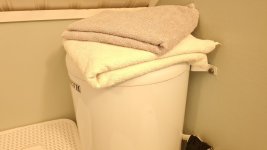
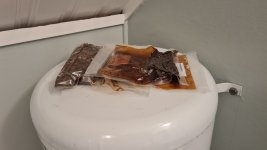
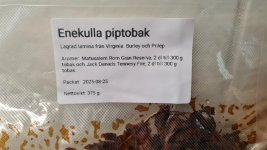
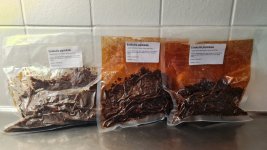
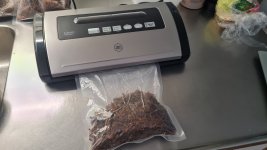
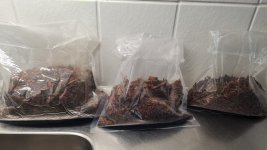
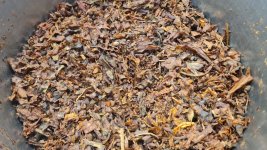
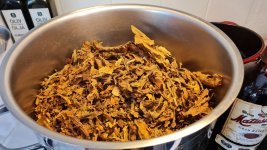
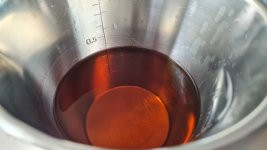
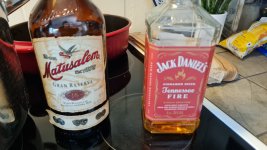
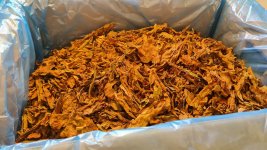
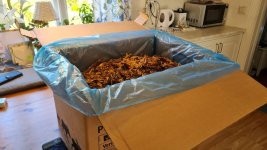
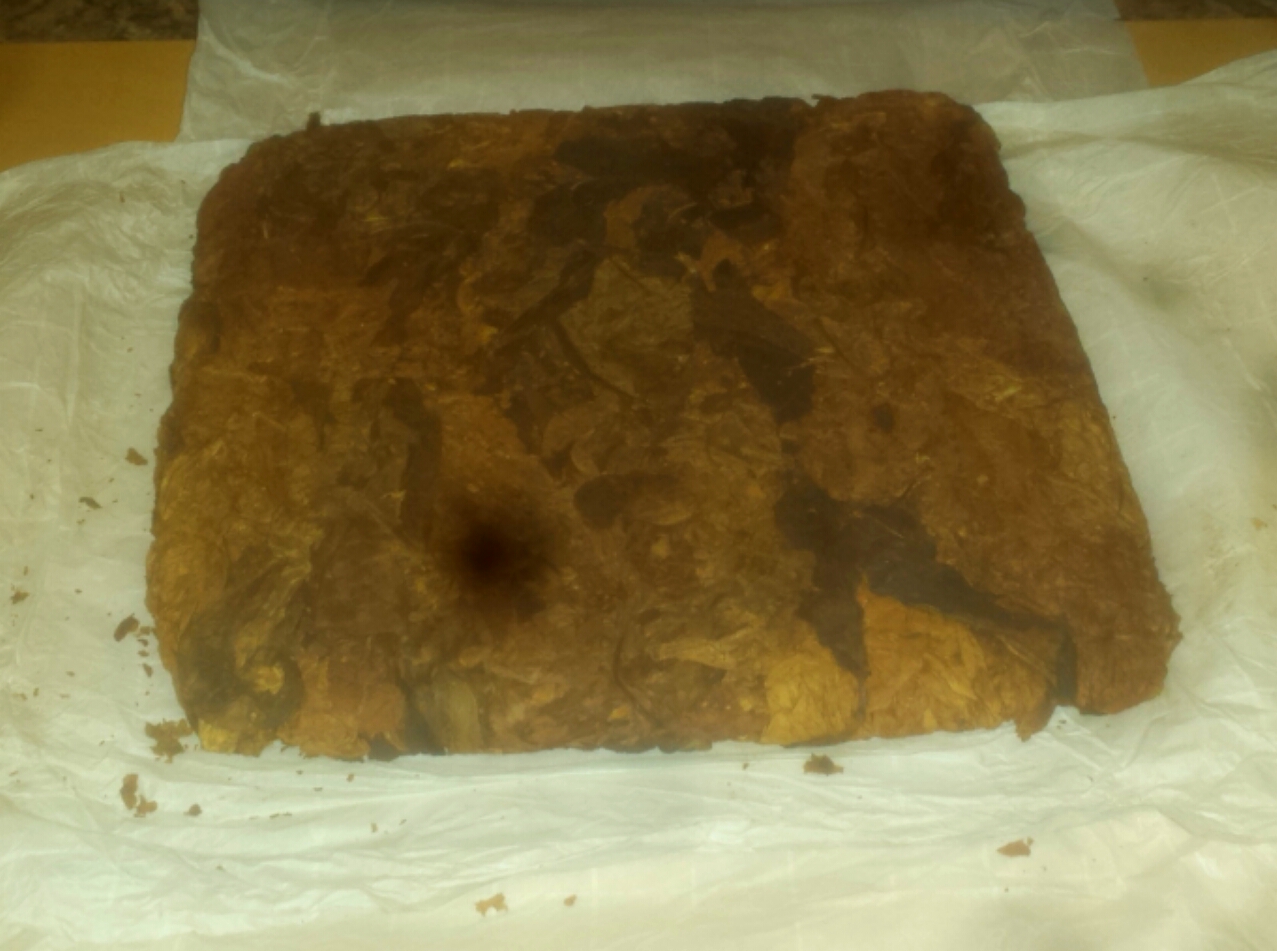
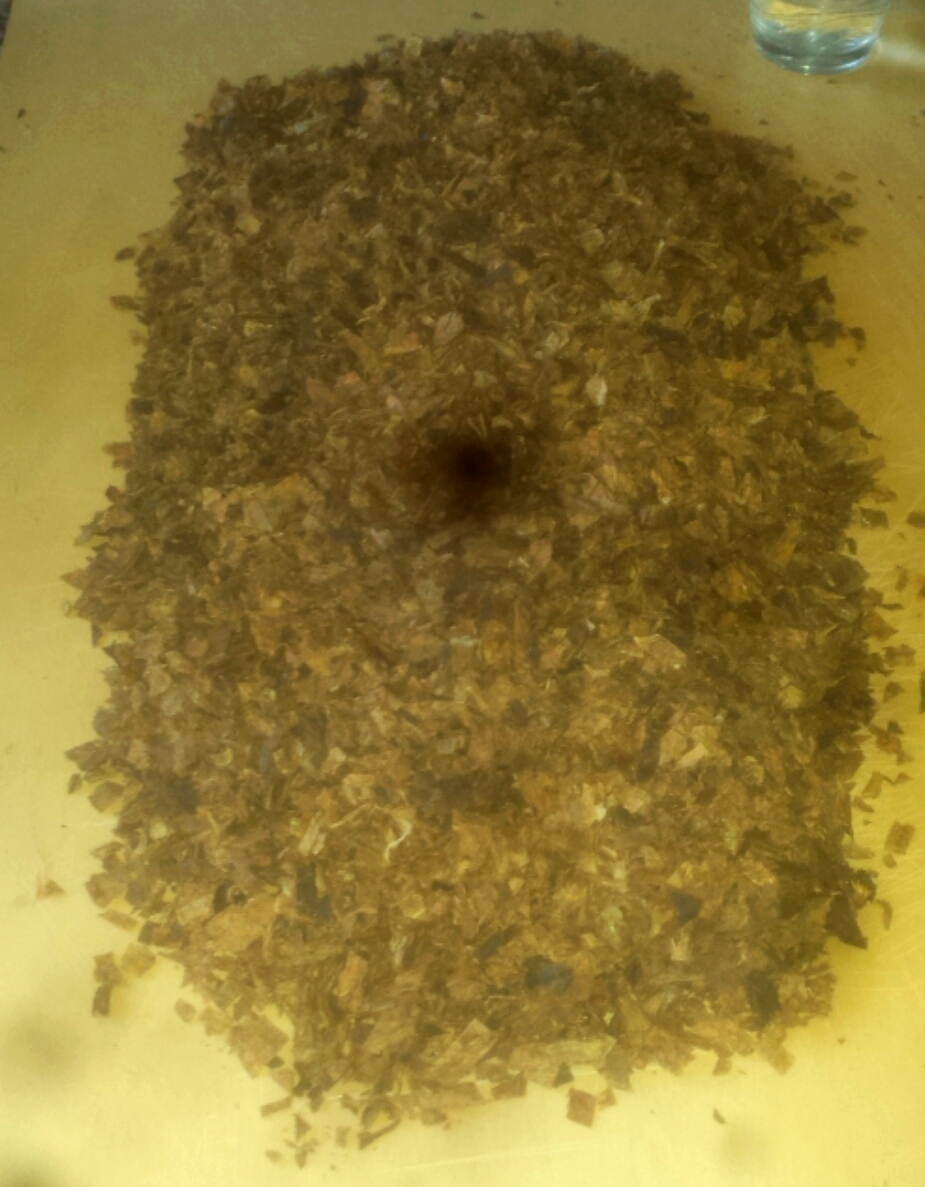
I mix in alcohol, stir it well, remove any midribs, then I vacuum pack it. What I did today was 300 g of lamina and 20 cl of rum and 20 cl of Tennessee Fire. I divided it into three vacuum bags. Then I put it under some towels on top of our water heater where it is just over 40 degrees Celsius. Then it is left there for a few months, or until my "old" tobacco runs out :) The first three pictures are the tobacco from the last time I made pipe tobacco. Partly what I have left in my humidor, and then a tobacco plug that I pressed for 3-4 months in a paste press.

I also usually bring a tablespoon of honey that I dissolve in the alcohol, but I forgot about it today :)

I'm no expert on this fermentation thing, not really knowledgeable at all, and smoking a pipe isn't a big deal to me, I mostly use snus, but I'm happy with this pipe tobacco, I don't require anything else :sneaky:
 

Attachments

  • 1.jpg
    1.jpg
    231.8 KB · Views: 19
  • 2.jpg
    2.jpg
    84.6 KB · Views: 20
  • 3.jpg
    3.jpg
    106.1 KB · Views: 20
  • 4.jpg
    4.jpg
    92.4 KB · Views: 14
  • 5.jpg
    5.jpg
    79.3 KB · Views: 16
  • 6.jpg
    6.jpg
    137.8 KB · Views: 18
  • 7.jpg
    7.jpg
    153.9 KB · Views: 17
  • 8.jpg
    8.jpg
    101.3 KB · Views: 15
  • 9.jpg
    9.jpg
    132.7 KB · Views: 13
  • 10.jpg
    10.jpg
    286.4 KB · Views: 14
  • 11.jpg
    11.jpg
    197 KB · Views: 13
  • 12.jpg
    12.jpg
    74.2 KB · Views: 17
  • 13.jpg
    13.jpg
    134 KB · Views: 20
  • 14.jpg
    14.jpg
    219.1 KB · Views: 18
  • 15.jpg
    15.jpg
    73.9 KB · Views: 17
Last edited:

FosmicCilth

Member
Joined
Sep 4, 2025
Messages
22
Points
13
Location
Albuquerque, New Mexico
Casing and kilning blend that came out very good:

1 part Bright Va
1 part Thin leaf Va
1 part Red Va
1 part Perique
1 part Light Dark Fired
0.5 part Krumovgrad

All components were rolled into a cigar and pressed for a day. Half of the pressed tobacco was cut into a shag and cased with a 1:1 of WLT flue cured casing and Brewer's Best Plum flavoring then pressed into a plug. The other half of the initial pressed tobacco was left uncased and both were kiled at 122°F while in high case for 2 weeks until the color changed. The uncased tobacco was then cut to the same thickness as the cased and mixed.

This resulted in a good medium-body blend with some interesting floral flavors from the Krumovgrad and Light Dark Fired. The plum casing and perique really work together to make a solid perique base flavor for the floral notes to layer on top of.
 

Bamabaccy8a

Well-Known Member
Joined
Mar 31, 2026
Messages
46
Points
33
Location
North Alabama
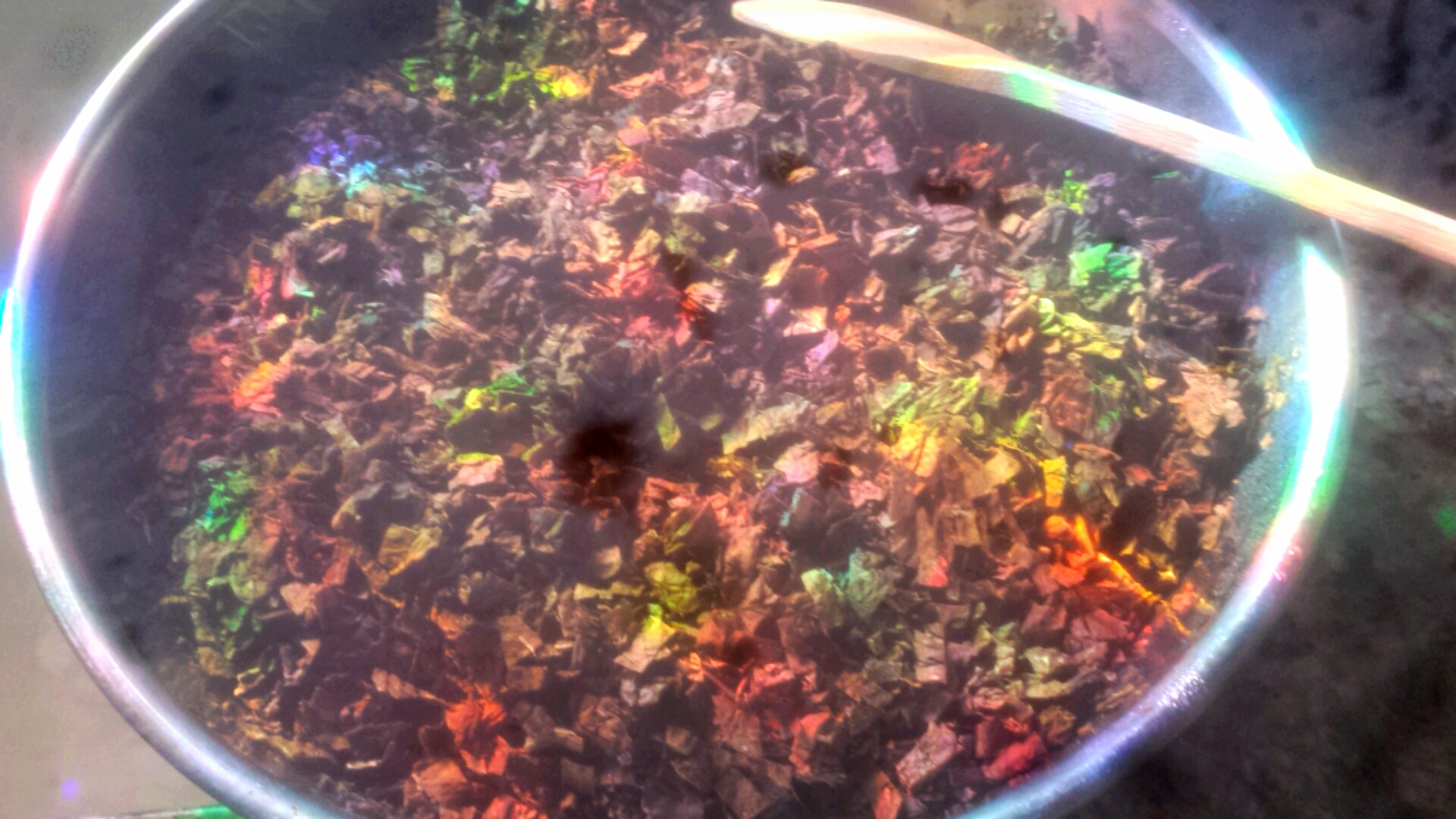
Latest blend ... pulled from the press yesterday:

Burley Legal:

1 pound Natural Burley, cased in a light molasses / cocoa and toasted
1 pound Red FCV
1 pound Prilep
1/2 pound Light Fire Cured Virginia
1/4 pound Red Tips Burley (added after the press)

All selected leaves were equally divided into 3 piles which were then stacked on each other and placed in the press.
For this application, I did a light pressing with the plan to cube cut upon completion.
After a week in the press, it was removed and cube cut then placed into a large mixing bowl.
To this mixture, I'll add the 1/4 pound of Red Tips that were previously pressed and cubed.

Smoking notes:

Natural Burley and Virginia is well-balanced, nutty and not too sweet.
Prilep is present throughout as a mild spice with occasional floral tones.
Light Fire Cured Virginia adds mostly a smoky bag note and a bit of depth and woodiness to the smoke.

Pics:

k4sxgVl.jpg


FJkQ3ye.jpg


YEksJcu.jpg


Note: the addition of rainbow spectrum light adds creaminess and extra tang. LOL

Molasses ,cocoa and toasted... please explain this further on recipe and method. Ty
 

Bamabaccy8a

Well-Known Member
Joined
Mar 31, 2026
Messages
46
Points
33
Location
North Alabama
I mix in alcohol, stir it well, remove any midribs, then I vacuum pack it. What I did today was 300 g of lamina and 20 cl of rum and 20 cl of Tennessee Fire. I divided it into three vacuum bags. Then I put it under some towels on top of our water heater where it is just over 40 degrees Celsius. Then it is left there for a few months, or until my "old" tobacco runs out :) The first three pictures are the tobacco from the last time I made pipe tobacco. Partly what I have left in my humidor, and then a tobacco plug that I pressed for 3-4 months in a paste press.
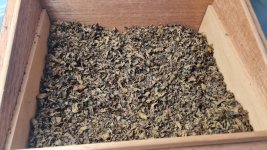
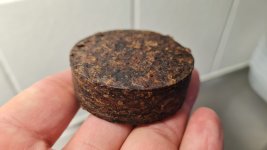
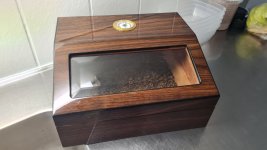
I also usually bring a tablespoon of honey that I dissolve in the alcohol, but I forgot about it today :)

I'm no expert on this fermentation thing, not really knowledgeable at all, and smoking a pipe isn't a big deal to me, I mostly use snus, but I'm happy with this pipe tobacco, I don't require anything else :sneaky:
Looks delicious. So, are you soaking , dipping, sprinkling this concoction to whole leaf or ribbon cut/shred?
 

Juxtaposer-

Well-Known Member
Joined
Jun 11, 2024
Messages
223
Points
93
Location
Las Vegas
I recall the head blender Per Jenson saying in an interview that if you could taste the casings that it meant that he had failed in his job. I get his point yet I don’t think this is entirely accurate. If you know what the raw leaf tastes like and you know what the casings are you should be able to pick them apart. Certain ingredients make tobacco taste a certain way. I have seen quite a few good guesses in reviews of many commercial mixtures. There are quite a few standard ingredients that blenders use in casing tobacco. Improving texture, burning qualities, preservation, and flavor are some of the things that inspire certain ingredients. Some of these things may not be so important as flavor for the home blender. The idea behind a casing for me is to counter or mask some of the harsh and unpleasant flavors that raw tobaccos can have and to accentuate the enjoyable flavors that it does have. There is also the metabolic aspect of adding ingredients that will stimulate microbes or help break down the tobacco to improve it. Having a casing ingredient that adds a noticeable flavor is perfectly fine in my opinion. Even so, a noticeable flavor normally does not equate to a dominant flavor when derived from casings. A dominant or specific flavor other than ”tobacco” would be entering the territory of toppings.
 

FosmicCilth

Member
Joined
Sep 4, 2025
Messages
22
Points
13
Location
Albuquerque, New Mexico
I have been experimenting with blends that are predominantly Virginia/Perique and the effect of alcohol in the casing. My interest in this started with trying to infuse perique with rum, which I did using 2 cheap humidor humidifiers in a tupperware with perique layered on top for two weeks. I then dried it completely to remove the alcohol and I found that I liked the result, it mellowed the perique without removing it's intense character.

After I smoked all of the initial rum-infused perique, I made a bigger batch with a low-sugar rum which I had vanilla beans soaking in for a month, which is the rum I used in this recipe as well.

I wanted a red virginia that had a more complex character but that didn't fatigue my palette. To case, I used a light amount of the WLT virginia casing, which is amazingly useful even in very small amounts. I then took a 50/50 mixture of water and the vanilla rum and sprayed the virginia leaves with that as well. I let it sit wet for 1 day and then dried it down and rehydrated it with boveda 69% packs.

The proportions used for a 25 gram plug were:

WLT Red: 16%/4g
WLT Ripe: 16%/4g
WLT Bright: 16%/4g
BFL: 16%/4g
BF: 16%/4g
WLT Red unkilned: 10%/2.5g
Rum-infused Perique: 10%/2.5g

I then pressed this for a week in a rectangular steel press that uses c-clamps.

The result is a very nice light-medium bodied VaPer with a very good depth of flavor, no harshness, no rum or vanilla detectable but it definitely changed the character of the tobacco in a desirable way.
 

FosmicCilth

Member
Joined
Sep 4, 2025
Messages
22
Points
13
Location
Albuquerque, New Mexico
What are "BFL" and "BF"?

Bob
I believe they are commercial grading designations of flue-cured, google tells me that "B" refers to upper and upper-mid stalk position and the other letters refer to leaf color. BFL is upper-stalk mature leaves and BF is mid-stalk orange virginia. The samples that I got were unsmokably harsh until kilned for 6 weeks and cased but after that they have very good flavor profiles and good complexity, they don't dominate a blend so easily. I did also try some BFR grade which is apparently orange virginia from the upper-middle stalk and it dominates a blend extremely easily, though it may just need more kilning to mellow.

All my info is just from the internet though so take it with a few huge grains of salt, I am definitely no expert.
 
Last edited:

FosmicCilth

Member
Joined
Sep 4, 2025
Messages
22
Points
13
Location
Albuquerque, New Mexico
I posted this thread:


Where I found the answers the my previous posts on tobacco grading in the US.

I just wanted to say that the aforementioned rum perique has been a success for me as a cased blending component as it seems to remove the perique sharpness without removing it's character in a blend. It has allowed the virginia flavor profile to shine without easily overpowering it while still maintaining the character of raw perique, it is a success for me using cased virginias.

Next, I have kilned perique that has been aging for a few months in mason jars that I have infused with rum and I will see what that does. I did not initially have high hopes but it may prove to be useful.

Enjoy!
 

FosmicCilth

Member
Joined
Sep 4, 2025
Messages
22
Points
13
Location
Albuquerque, New Mexico
I have used rum that has had Perique soaking in it as a VA casing with good results.
I kilned some perique and it stank like nothing else. I've had to air it out and let it age in a mason jar for a few months, I did my rum infusion process on some and it not only smoothed out the sharpness but it also intensified the flavor. Time is always a wild factor in tobacco processing.

I also pressed some raw, wet perique (10%) with ripe, and separately, red virginia from WLT (great stuff) and they stank like rotten tomatoes. Bad. It smelled so disgusting that I almost threw them away and I thought that it ruined a half pound of red. I stoved the plugs in the instant pot for 4 hours, let them sit for a couple of months in a mason jar, cut them, and then cased them with WLT virginia casing and they are excellent.
 

Juxtaposer-

Well-Known Member
Joined
Jun 11, 2024
Messages
223
Points
93
Location
Las Vegas
I kilned some perique and it stank like nothing else. I've had to air it out and let it age in a mason jar for a few months, I did my rum infusion process on some and it not only smoothed out the sharpness but it also intensified the flavor. Time is always a wild factor in tobacco processing.

I also pressed some raw, wet perique (10%) with ripe, and separately, red virginia from WLT (great stuff) and they stank like rotten tomatoes. Bad. It smelled so disgusting that I almost threw them away and I thought that it ruined a half pound of red. I stoved the plugs in the instant pot for 4 hours, let them sit for a couple of months in a mason jar, cut them, and then cased them with WLT virginia casing and they are excellent.
So is ot WLT Perique?
 

FosmicCilth

Member
Joined
Sep 4, 2025
Messages
22
Points
13
Location
Albuquerque, New Mexico
So is ot WLT Perique?
Of course, it is the finest.

I remove the midrib and dry it for days until it is smokeable and age it depending on smell. It will release ammonia periodically. I kiln the majority of my tobacco and I rely on smell to sense ammonia fermentation and when the desirable volatile compounds become present so that I can start the secondary fermentation and then case is applicable based on sugar content.

Primary fermentation in the kiln and secondary fermentation at room temperature with reduced moisture both take about 6 weeks is what I have seen.

I do not case orientals, dark fired, or latakia if I am using them though I have casing experiments for dark fired lined up.
 
Last edited:
Top