I agree with
@Knucklehead.
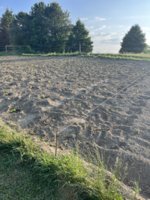
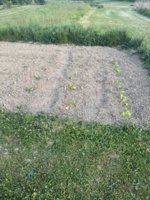
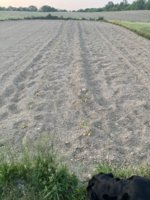
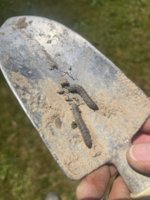
The safest approach to dealing with cutworms is prior to transplant. Deeply till the soil. A cutworm will amputate a small tobacco stalk long before any poison within the plant can kill it. Soil fumigation is expensive, and not suitable for home growing.
What you have done—angrily dig out and kill the perpetrator—is also effective, unless you have heavily infested soil. That sort of situation is why I always attempt to have ~25% more transplants available than I expect to put into the ground. [Then I get to watch in silence, as my excess seedlings wither and die.]
Imidacloprid is not (trendy) "organic". It is a synthesized neonicotinoid (faster, deadlier, more persistent than its "natural" nicotine prototype), though indeed it is an organic compound (containing covalently bonded carbon) from a chemist's standpoint. I use the "fruits and vegetables" Imidacloprid preparation—at the dosage stated for tomatoes, but only in my transplant water, only for my tobacco, and never for fruits and vegetables. This practice is safe for pollinators (although a honeybee stung me on my chin as I was mowing yesterday!).
Bob