Wow, 4 ligeros! This is way outside the old weighting structure, how'd you come up with a blend like this?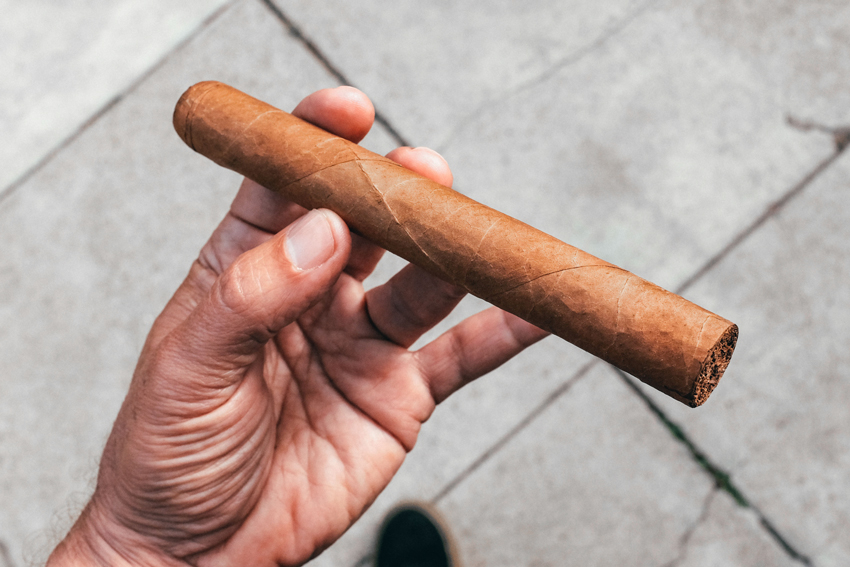
6.5 x 56. 4 ligeros, 2 viso, 1 seco, triple binder.

You are using an out of date browser. It may not display this or other websites correctly.
You should upgrade or use an alternative browser.
You should upgrade or use an alternative browser.
Pics of your sticks!!
- Thread starter Indianamac
- Start date
- Status
- Not open for further replies.

waikikigun
Well-Known Member
- Joined
- Mar 24, 2015
- Messages
- 1,453
- Points
- 113
The weighting structure is super affected by the wrapper. So whereas this filler would be a disaster with a brown wrapper, it just makes for a strong yet floral/sweet/spicy smoke with a blond wrapper that ties all those things together. This thing is a 3+3+3+3+2+2+1, 17/7 = 2.4, so it's just on the strong end of the scale, rather than the ridiculous end. Put a corojo oscuro wrapper on there and it smokes like a 4, i.e.g terribly bad.Wow, 4 ligeros! This is way outside the old weighting structure, how'd you come up with a blend like this?
Conversely, 3 secos wrapped in corojo oscuro smokes like a 2.

"Weighting structure?" Where did that come from? Whose weighting? Weighting of what?
Bob
Bob

ChinaVoodoo
Moderator
I was just wondering the same. Where did this come from?
ChinaVoodoo
Moderator
I'm guessing ligero is a 3, seco a 1, and blonde wrapper a 1.
waikikigun
Well-Known Member
- Joined
- Mar 24, 2015
- Messages
- 1,453
- Points
- 113
I devised a formula and wrote an app for it many years ago, based on what I was seeing and strengths I was experiencing from 100s of deconstructed cigars. It was the sort of project that made many people righteously indignated, but which I found pleasurable to do and some found helpful."Weighting structure?" Where did that come from? Whose weighting? Weighting of what?
Bob
Ligero = 3, viso 2, seco 1. A cigar with that filler and a medium wrapper and light binder produces a "2," a medium. Almost all Cuban cigars are between 1.75 (mild-medium) and 1.9 (medium). The max for a commercial cigar is usually 2.2.
You appear to be asserting that all ligero is of equal strength.
Bob
Bob
waikikigun
Well-Known Member
- Joined
- Mar 24, 2015
- Messages
- 1,453
- Points
- 113
My app allowed one to input any weight for each priming. Therefore if they felt their ligero was "milder than average," they could input weight of 2.5, or whatever they wanted. There's no assumption that my rolling friends are clueless idiots who don't understand that tobacco strength and blending are completely subjective. It's just a fun tool I made to play around with.You appear to be asserting that all ligero is of equal strength.
Bob
ChinaVoodoo
Moderator
Explain the wrapper strength please.
waikikigun
Well-Known Member
- Joined
- Mar 24, 2015
- Messages
- 1,453
- Points
- 113
Since this was based almost entirely on Cuban cigars, it was assumed that a wrapper of similar strength to a typical Cuban wrapper was used, something along the strength of a mild viso. It was also understood that wrappers, which may typically be around 1/10th of the cigar mass, exert a strongly disproportionate effect on strength perception, such that a given filler blend could be perceived as much too strong with most dark, under-fermented wrappers. I summed up the philosophy with this exchange:Explain the wrapper strength please.
"How much of the flavor comes from the wrapper?"
"One hundred percent."
Literal-minded, inexperienced rollers would not understand this. Others would get it right away. It would be nearly impossible to detect that an identical filler and binder were used between two cigars when was wrapped in a strong maduro habano and one wrapped in a mild CT. Subjectively they taste "one-hundred percent different."
Quantifying the qualitative is fun and handy, but perhaps misleading. If, for example, "strength" of a leaf is entirely its nicotine content, then that works as a number. If other factors come into play when perceiving "strength", then subjectivity muddies the numerical clarity.
I suspect that a novice is more easily misdirected by a numerical rating than someone more experienced.
Bob
I suspect that a novice is more easily misdirected by a numerical rating than someone more experienced.
Bob
waikikigun
Well-Known Member
- Joined
- Mar 24, 2015
- Messages
- 1,453
- Points
- 113
On the plus side, the novice will soon enough get straight on these questions. I think a lot of things are like this, in terms of the learning process: a few "rules" can be handy to kickstart stuff. From there make adjustments and move gradually from roteness to conceptual understanding, through experience. It's easy to forget that beginning rollers often barely have a clue there's something called seco or ligero in there, let along how they might proportion them or what their relative strengths are.Quantifying the qualitative is fun and handy, but perhaps misleading. If, for example, "strength" of a leaf is entirely its nicotine content, then that works as a number. If other factors come into play when perceiving "strength", then subjectivity muddies the numerical clarity.
I suspect that a novice is more easily misdirected by a numerical rating than someone more experienced.
Bob

MarcL
Well-Known Member
4.8 X 48
from the center, Cibao Corojo Viso and Criollo 98 Viso, Criollo 98 Seco and, Rene Seco fillers. 3 lamina with 2 veins from PA and Vuelta Abajo binders with, Criollo 98 Wrappers.
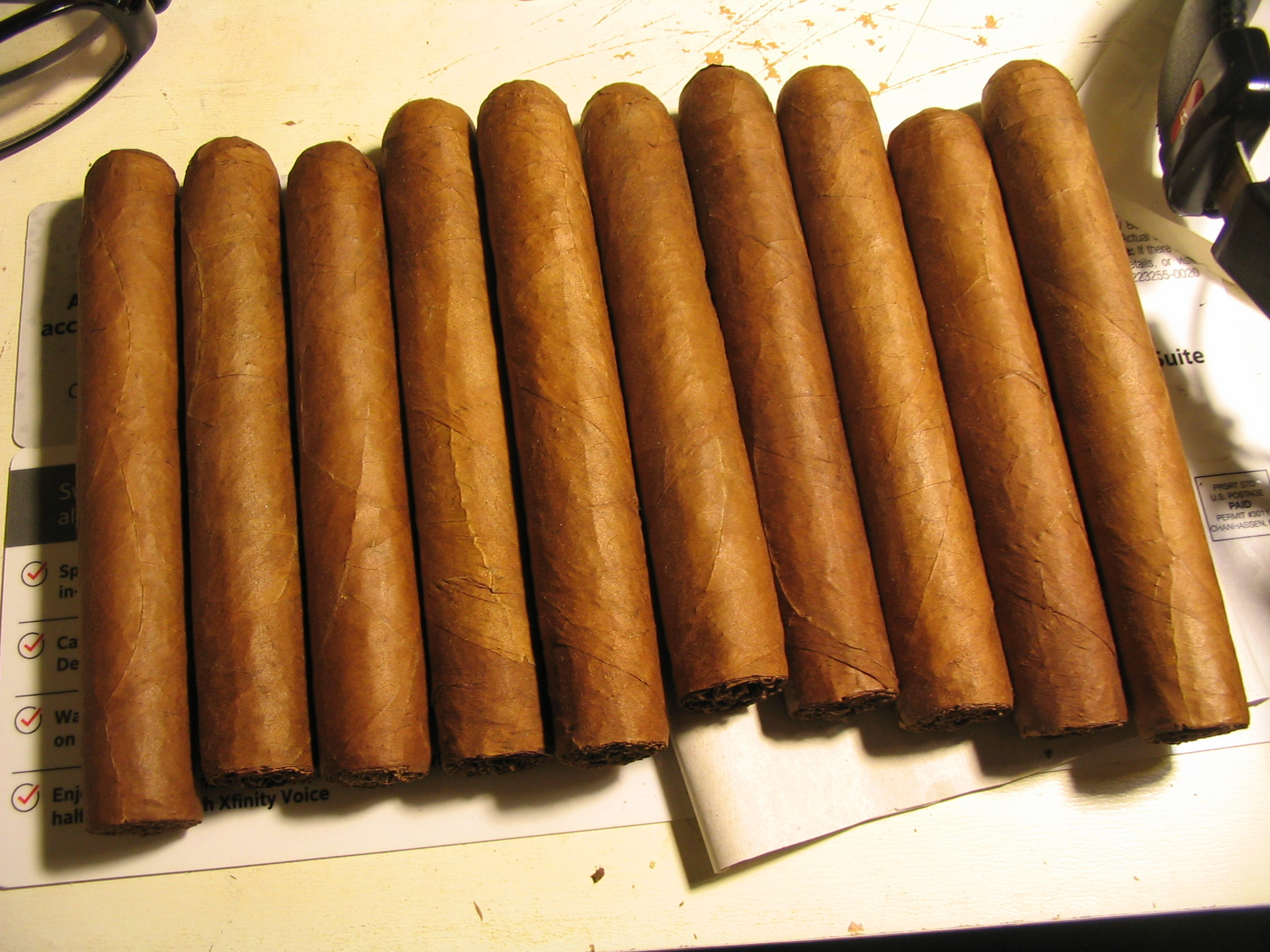
from the center, Cibao Corojo Viso and Criollo 98 Viso, Criollo 98 Seco and, Rene Seco fillers. 3 lamina with 2 veins from PA and Vuelta Abajo binders with, Criollo 98 Wrappers.
waikikigun
Well-Known Member
- Joined
- Mar 24, 2015
- Messages
- 1,453
- Points
- 113
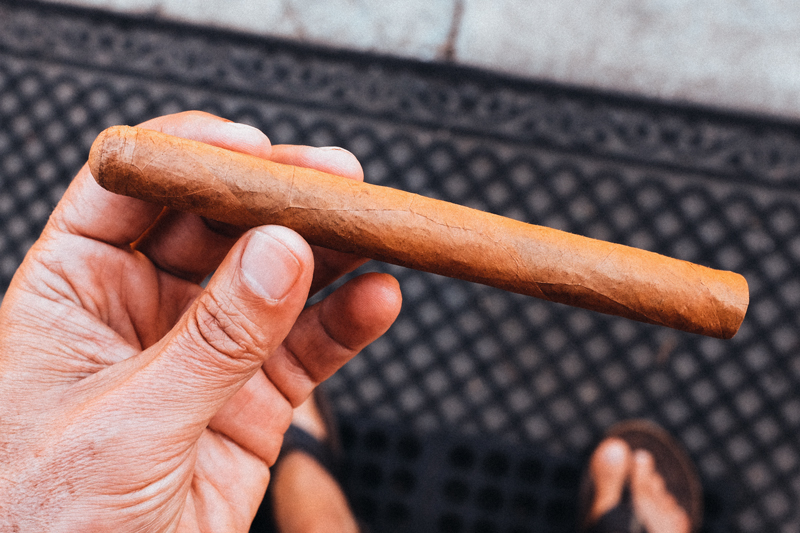
Breakfast lonsdale, 6.5 x 42.
MarcL
Well-Known Member
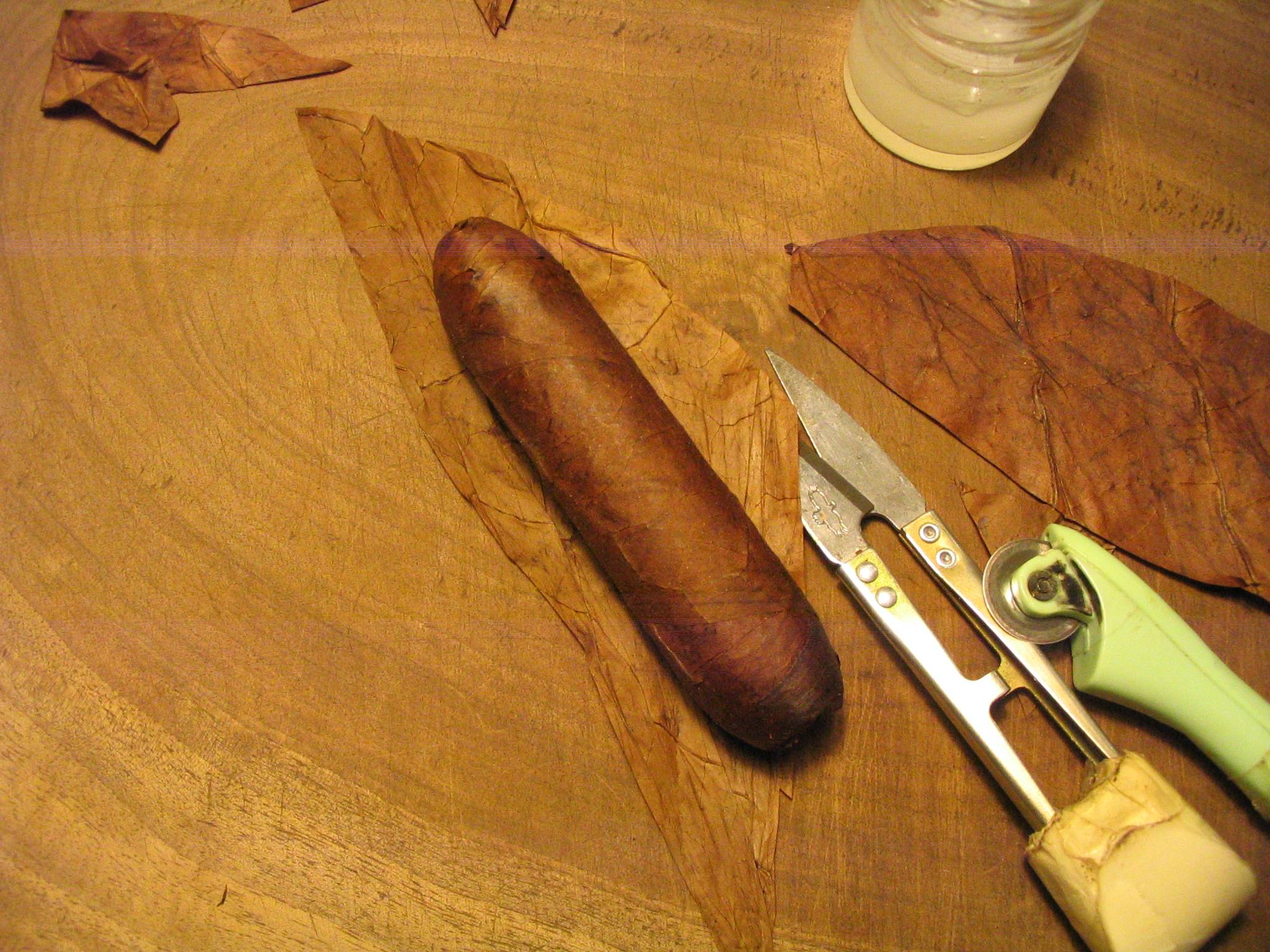
..with the leftovers..4.8 X 48
from the center, Cibao Corojo Viso and Criollo 98 Viso, Criollo 98 Seco and, Rene Seco fillers. 3 lamina with 2 veins from PA and Vuelta Abajo binders with, Criollo 98 Wrappers.
ChinaVoodoo
Moderator
Hand rolls tend to take this shape so I don't understand why this is so difficult.
Criollo ligero, rene seco, American CT wrapper
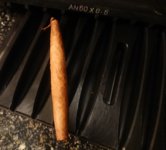
Criollo ligero, rene seco, American CT wrapper
MysticMapacho
Active Member
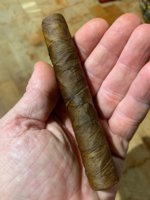
Here’s my second attempt at rolling.
So much easier when you have proper cigar tobacco.
Basically just pulled out two leaves of filler of each type plus a wrapper and got to work. Took me 15 minutes from start to finish. I let it sit for a couple of hours and smoked it a little while ago. A bit stronger than I would have liked but had a nice flavor. I’m thinking it may have been a lot better if it rested a couple months.
Filler in equal parts -
Criollo 98 Seco
Cibao Valley Vuelta Abajo Had. Ligero
T-13 Dominican Criollo 98
Ecuador Maduro wrapper which I also used as a binder.


Damanadaplaya
Well-Known Member
waikikigun
Well-Known Member
- Joined
- Mar 24, 2015
- Messages
- 1,453
- Points
- 113
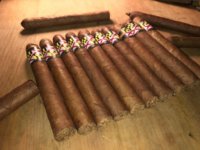
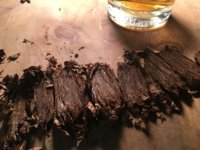
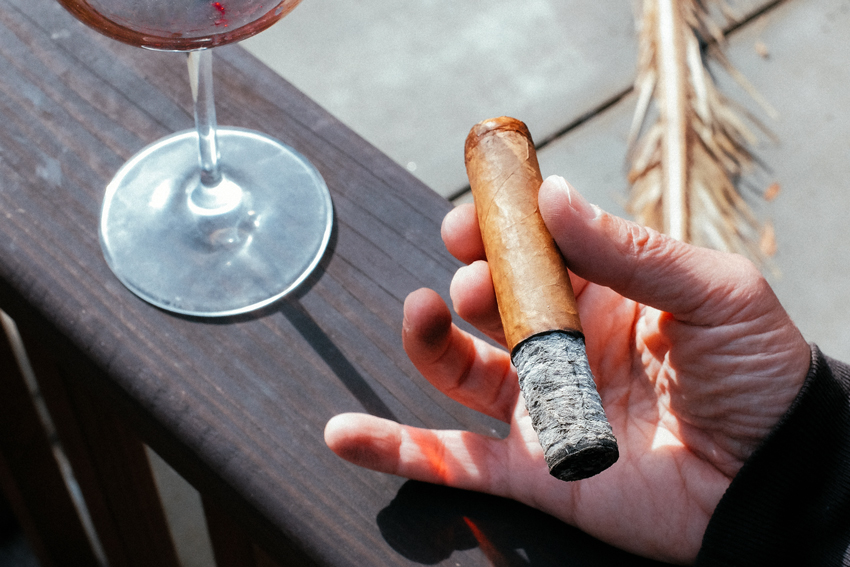
Pies out of the oven, root veg in, my chance to get out there and take a break. Rolled this live on Youtube a few nights ago. It's pretty strong! Between all that ligero and that glass of porto, I got a little buzz goin on. Michelle came out and sat next to me in the sunny patch and said, "You look deep in thought." Happy Thanksgiving!
- Status
- Not open for further replies.
Similar threads

- Replies
- 271
- Views
- 55K


- Replies
- 342
- Views
- 73K
- Replies
- 419
- Views
- 77K

- Replies
- 771
- Views
- 133K


-
About Us
This forum is dedicated to promoting the American tobacco farmer and tobacco home growers across the globe. Whether you grow by the acre, in your backyard, or in pots, you should find valuable and accurate information here.We discuss any variety of tobacco, as well as numerous approaches to growing, harvesting, curing, and finishing your crop. Our members will attempt to provide experience-based answers to your questions.
-
Buy raw tobacco from our Sponsor - WLT